
Learn practical amber identification using saltwater and hot needle tests, safe cleaning methods tha
Hold a piece of amber in your hand and you're touching sunlight that fell on a forest forty million years ago. That's not poetic fluff—it's the reason fake amber fails. Real amber is fossilized tree resin, and its weight, warmth, and static behavior give it away before you ever need a lab test. I've handled hundreds of pieces at flea markets and estate sales。and the difference between genuine Baltic amber and a phenolic replica is obvious once you know what to feel for.Start with the saltwater test. Mix one part salt to four parts water in a glass—about 1.2 specific gravity. Real amber floats;most plastics sink. I keep a small jar in my pocket at antique fairs. But don't stop there. Rub the piece on wool for ten seconds. Genuine amber smells faintly of pine when warmed。and it produces enough static to lift a tiny scrap of paper. Phenolic resin, the most common fake, also passes the salt test, which is why I always follow up with the hot needle test on an inconspicuous spot. Real amber gives off a white smoke and a resinous, almost sweet odor;plastic smells like a burning circuit board. That smell lingers—trust me, you won't forget it.Cleaning amber requires more restraint than most people expect. I learned this the hard way with a nineteenth-century butter amber necklace that had gone cloudy from skin oils. Ultrasonic cleaners and ammonia-based jewelry dips will pit the surface and strip its natural luster. Use lukewarm water。a drop of mild dish soap, and a soft microfiber cloth. Dry it immediately—amber hates prolonged moisture. For storage, keep it away from direct sunlight and heat sources;
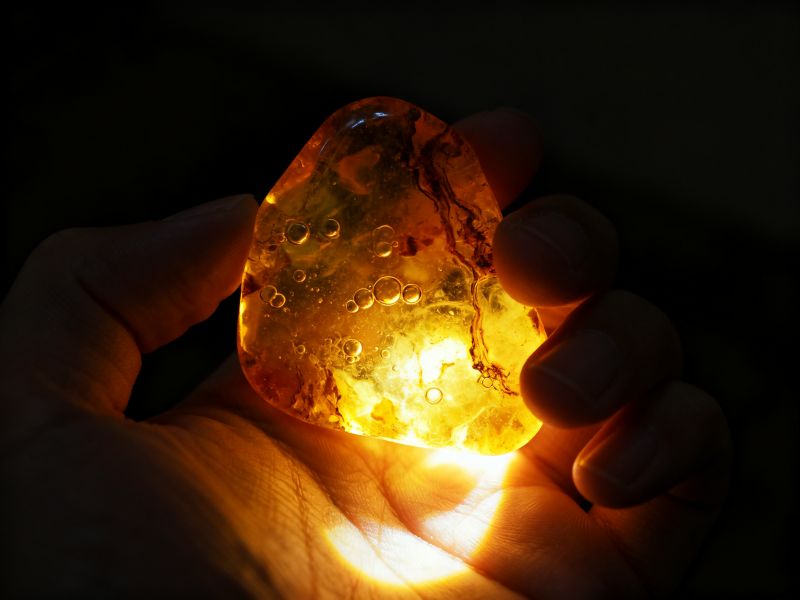
I've seen antique pieces craze and crack after a summer on a sunny windowsill. A simple cotton pouch inside a closed box works fine. Wear your amber often, though. The natural oils from your skin actually improve its polish over decades, which is why estate pieces often look better than museum-stored ones.Color and inclusions drive value, but not the way most buyers assume. Clear golden amber is common;cherry-red or cognac hues command higher prices, yet opaque butterscotch can outperform both at auction if the piece is large and free of fractures. Inclusions—insects, plant matter, air bubbles—add a premium only when they're rare and well-preserved. I once watched a dealer dismiss a mid-sized piece with a tiny fungus gnat while a larger, perfectly clear piece sat unsold. The gnat sold for triple. Fluorescence under UV light is another quick check: Baltic amber glows chalky blue-green, while Dominican amber often shows a weaker, muddy yellow. If a piece glows bright white or not at all。walk away.
Authenticity goes beyond material—it's about provenance and treatment. Heat treatment to clarify cloudy amber is common and accepted in the trade, but reconstituted amber (melted scraps pressed into blocks) is not the same thing and should be labeled as such. I always ask dealers directly: "Is this solid, and has it been heated?" Vague answers are a red flag. For high-value purchases。spend the twenty dollars on a gemological lab certificate. It's cheaper than a mistake you'll stare at for years. Amber rewards patience—learn the feel, the smell, the weight—and it will tell you its own story.